Consult. Design. Integrate. Service.
The Leading Hospitality Integration Firm
 The Official Technology Integrator of Forbes Travel Guide
“We are pleased to have Mode:Green as the Official Technology Integrator of Forbes Travel Guide,” says Gerard J. Inzerillo, CEO of Forbes Travel Guide. “Mode:Green assists hotels in seamlessly handling the details that ensure guest comfort. From intelligent lighting, music and climate control to helping housekeeping and maintenance field requests, the company focuses on improving the guest experience.”




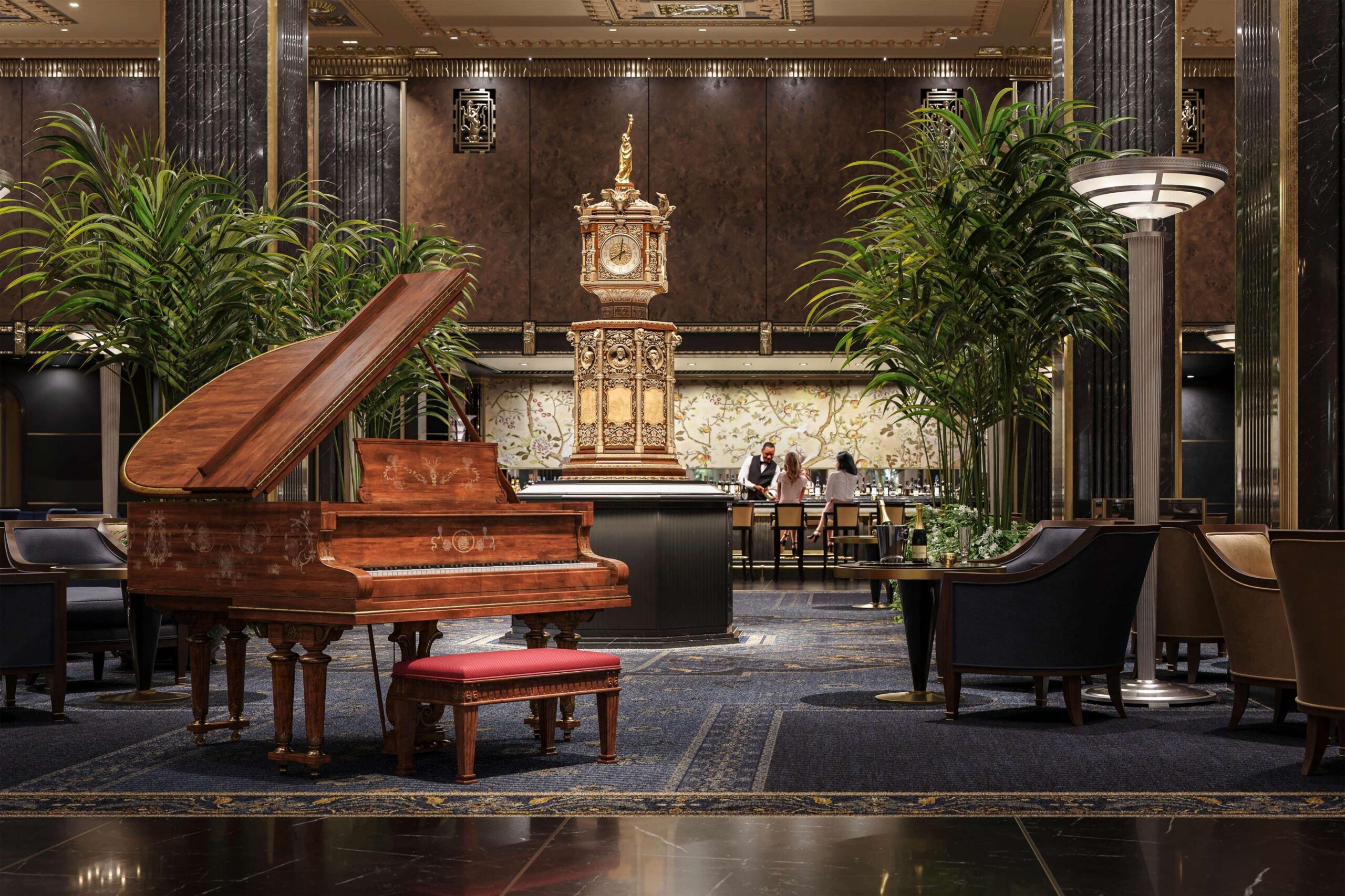
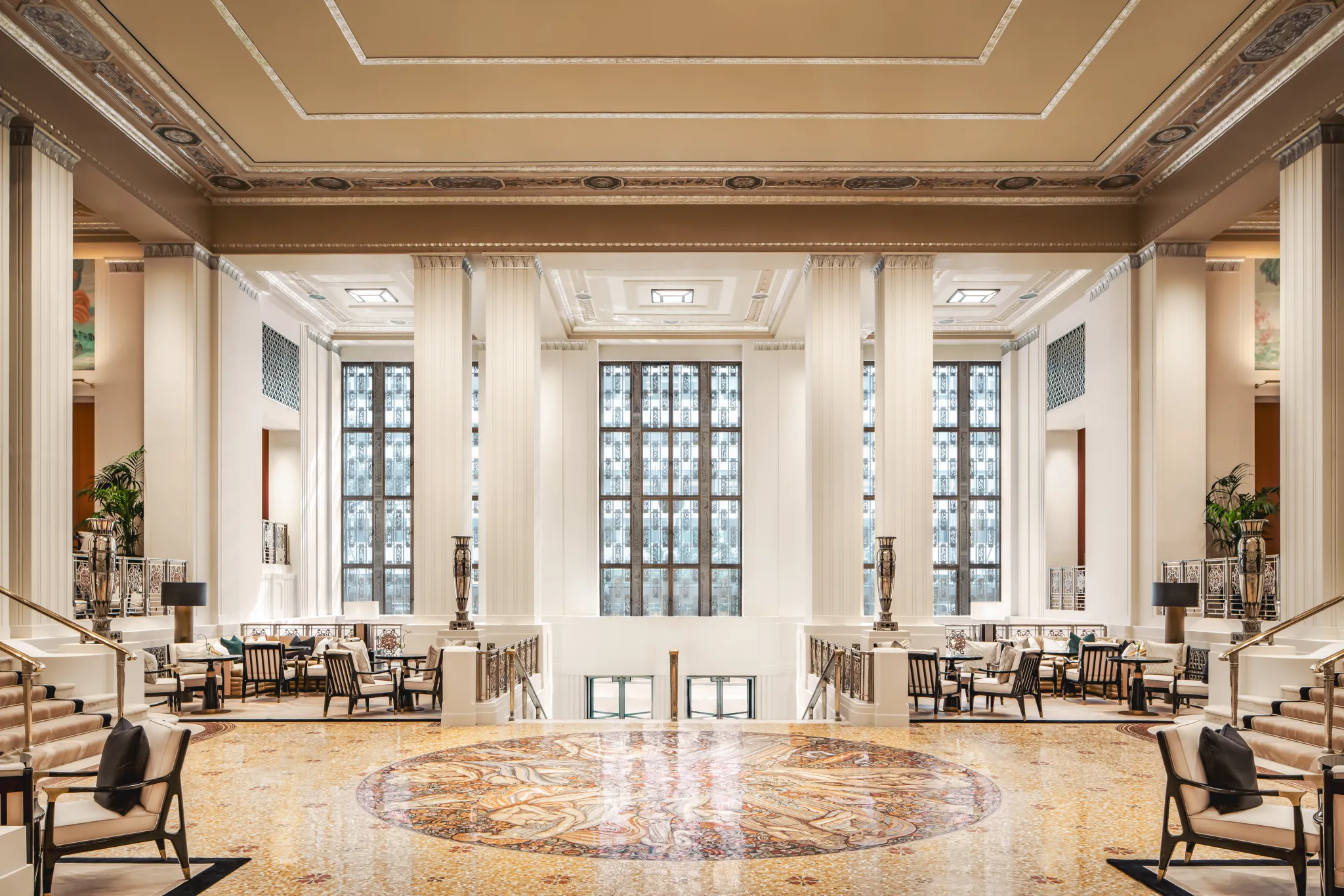
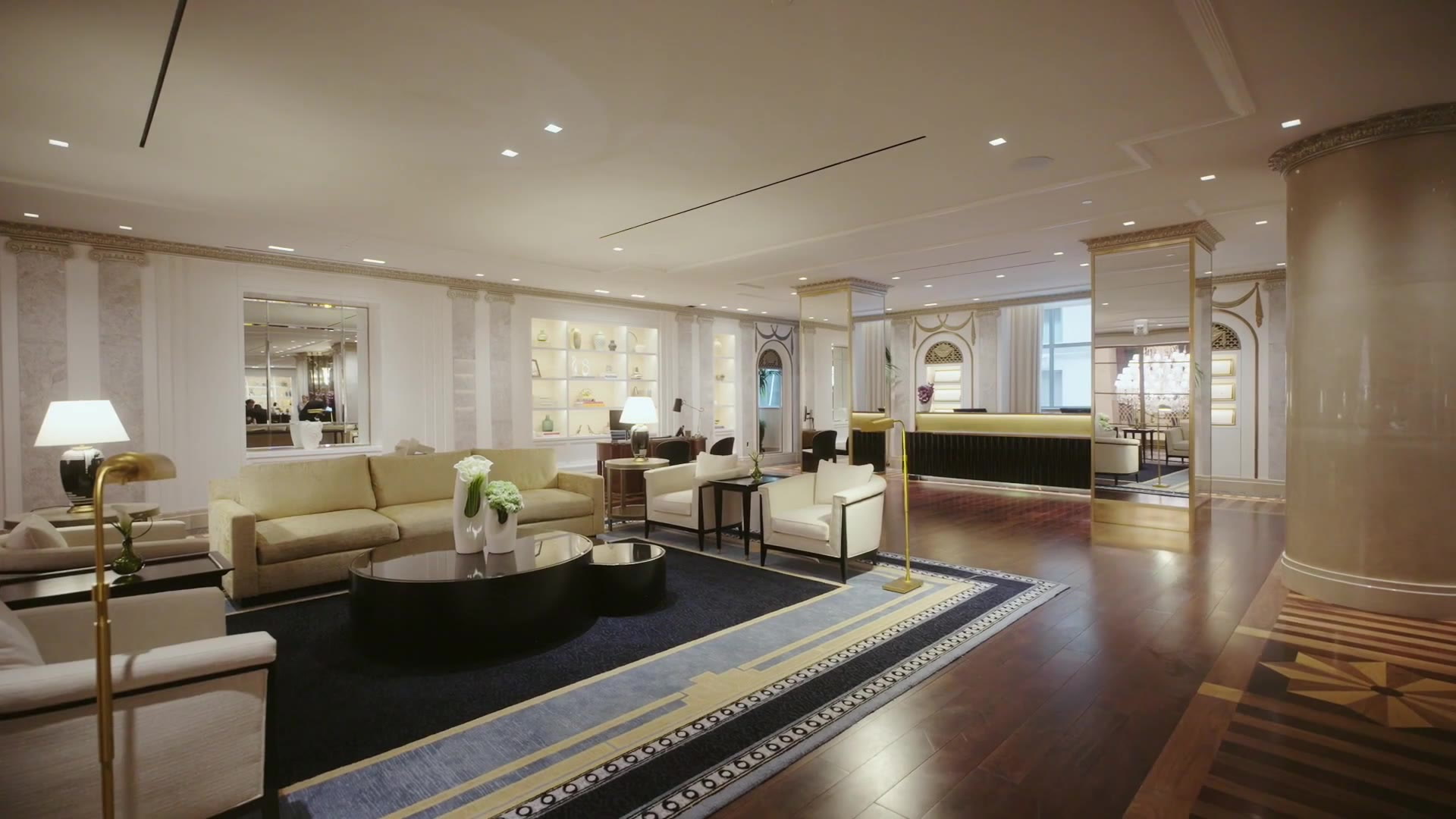
Imagine the Perfect Guest Experience Across All Spaces. From the moment a guest enters a room, the experience begins. The door opens to a welcoming ambiance: warm lighting, the perfect room temperature, and automated drapes drawing open to reveal a cozy, inviting space. This seamless experience extends from mobile check-in to effortless device connectivity—playing personalized music through the television.
At Mode: Green, we specialize in integrating cutting-edge technology to elevate spaces, whether it’s a luxury hotel, corporate office, music studio, or healthcare facility. As the first Technology Integrator Official Brand Partner of Forbes Travel Guide, we are recognized for our excellence in transforming environments with technology that enhances comfort, convenience, and efficiency.
As technology advances becoming more powerful and intricate. Mode: Green simplifies this complexity by offering a single point of contact to design, procure, and implement the various offerings that have become essential for today’s elite hotels, offices, and commercial spaces.
We are not a manufacturer; we are a trusted liaison, working with the best-in-class solutions to deliver the perfect technological ecosystem for your environment. Our expertise lies in crafting seamless, integrated systems that enhance the way people interact with spaces.
The whole package, start to finish.
Projects Gallery